Legacy of the Past

Once, the gods churned the ocean wide… Varuna watched… a compass glowed in the sailor’s mind. From Harappa’s ancient docks and Chola fleets in monsoon skies, to pepper winds and Roman sails, India’s maritime soul shaped civilizations.

As foreign cannons thundered and conquest tore the skies, India’s teakwood ships carried unbroken courage. The Swadeshi tide rose — freedom's call echoed across the oceans.

A saga of courage — a maritime legacy that shaped a nation.

Adv. Deeksha Kathayat

Legal Assistant (Nautical Wing)
Directorate General of Shipping
Section Image 1

India’s Maritime Voyage

Heritage, Leadership & The Future

Born of the Sea – Myths & Legends

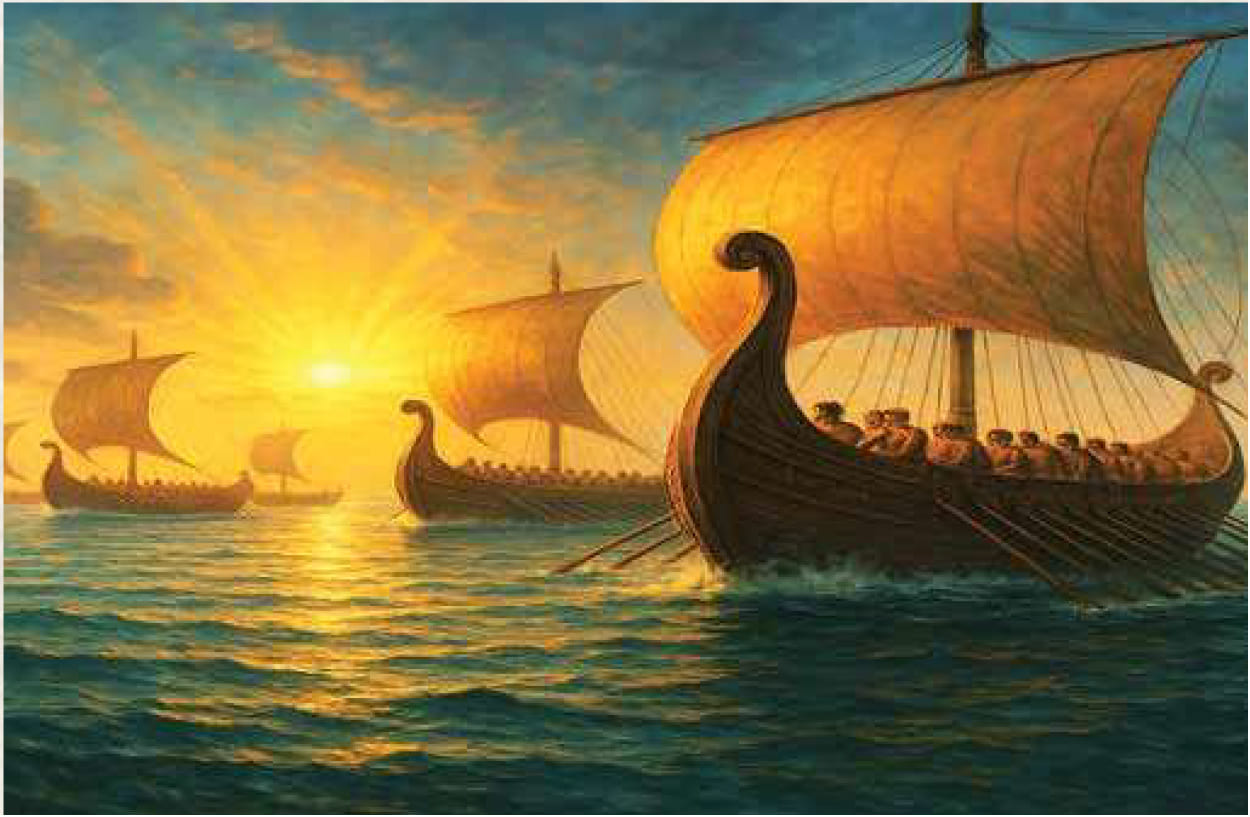
For India, the ocean has always been a symbol of destiny — from Rigvedic chants of “a hundred-oared ships” to stories that guided ancient navigators.

“Ships with a hundred oars at dawn.” — Rigveda

Section Image 2

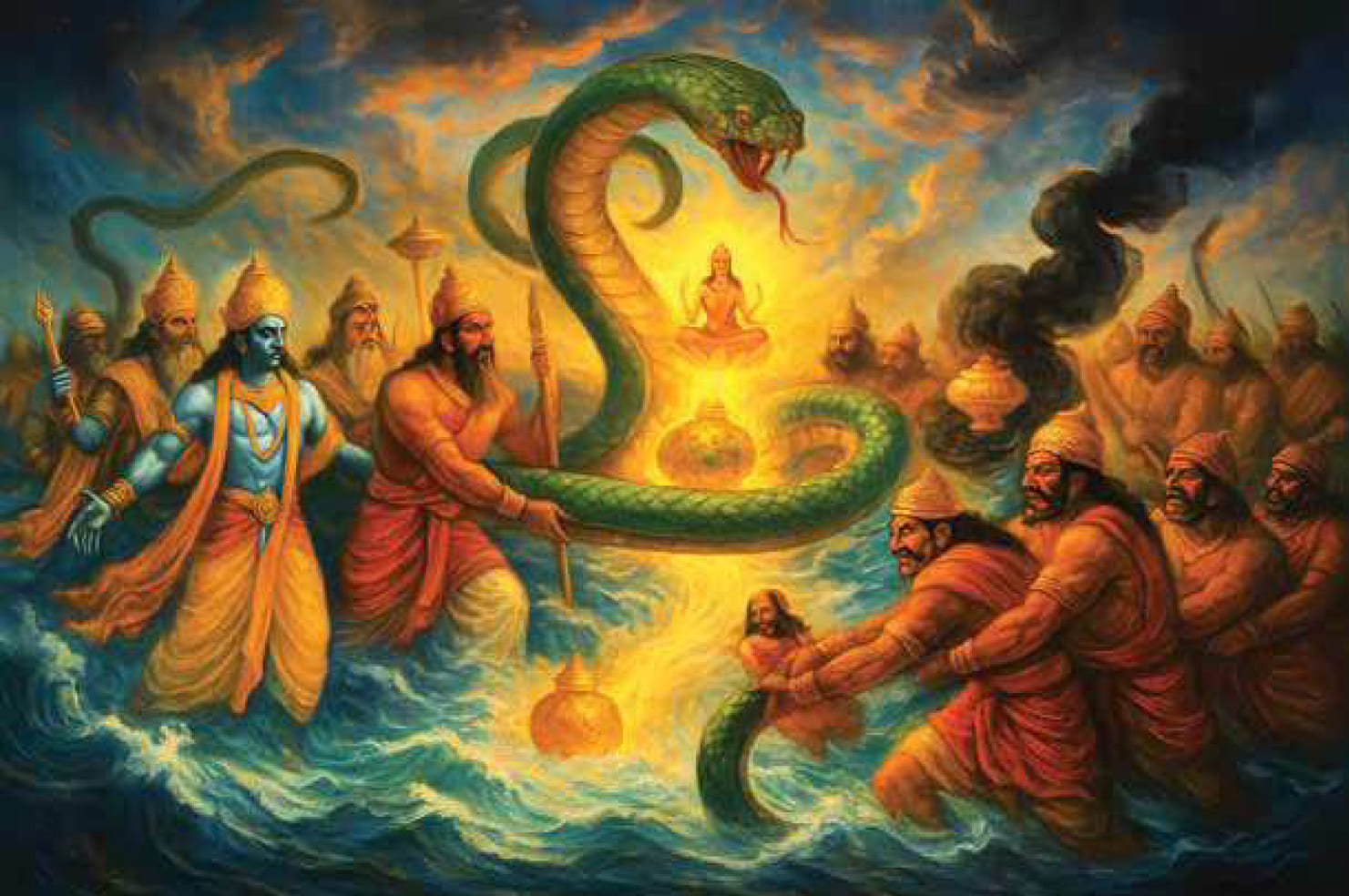
Samudra Manthan – Churning of the Oceans

When gods and demons churned the ocean, treasures and dangers emerged. Lakshmi brought prosperity; Halahala threatened all existence until Lord Shiva intervened.

Varuna, Lord of Waters, protected sailors, while legends like Naga Kanya guided coastal communities for centuries.

These maritime tales travelled across kingdoms, even finding echoes in Arabian Nights.

Section Image 3

Voyages of Sindbad & Ancient Mariners

The voyages of Sindbad the Sailor spoke of monstrous birds, enchanted islands, valleys of diamonds, and strange creatures of the deep. While layered in fantasy, these stories reflected the lived experiences of Indian and Arab sailors who faced violent storms, uncharted coasts, and dangerous voyages.

For the seafaring communities of the Malabar Coast, the sky itself was a map. Sailors in Kochi studied the heavens as carefully as scholars studied scripture. Orion pointed their direction, Sirius announced the seasons, and the unwavering “Dhruva Tara” North Star was their constant anchor.

Astronomy was not left to memory alone; it was written down with remarkable precision. The Surya Siddhanta, among the world’s oldest astronomical treatises, mapped the movement of the sun, moon, and stars.

Section Image 3

Classical Tides: The Empires of Waves

The story of India’s maritime heritage begins far before written records. The archaeological excavations at Lothal revealed one of the world’s oldest dockyards, dating back nearly 4,000 years. Terracotta models of boats and depictions of Bronze Age vessels show the earliest evidence of India’s organized maritime trade.

Centuries later, during the Mauryan Empire, ports became powerful gateways of commerce. Nallasopara flourished as a maritime hub, and inscriptions of Emperor Ashoka highlight its importance. Sopara connected India not only with coastal trade but also with the wider Indian Ocean network.

Section Image 3

Roman Trade & The Chola Navy

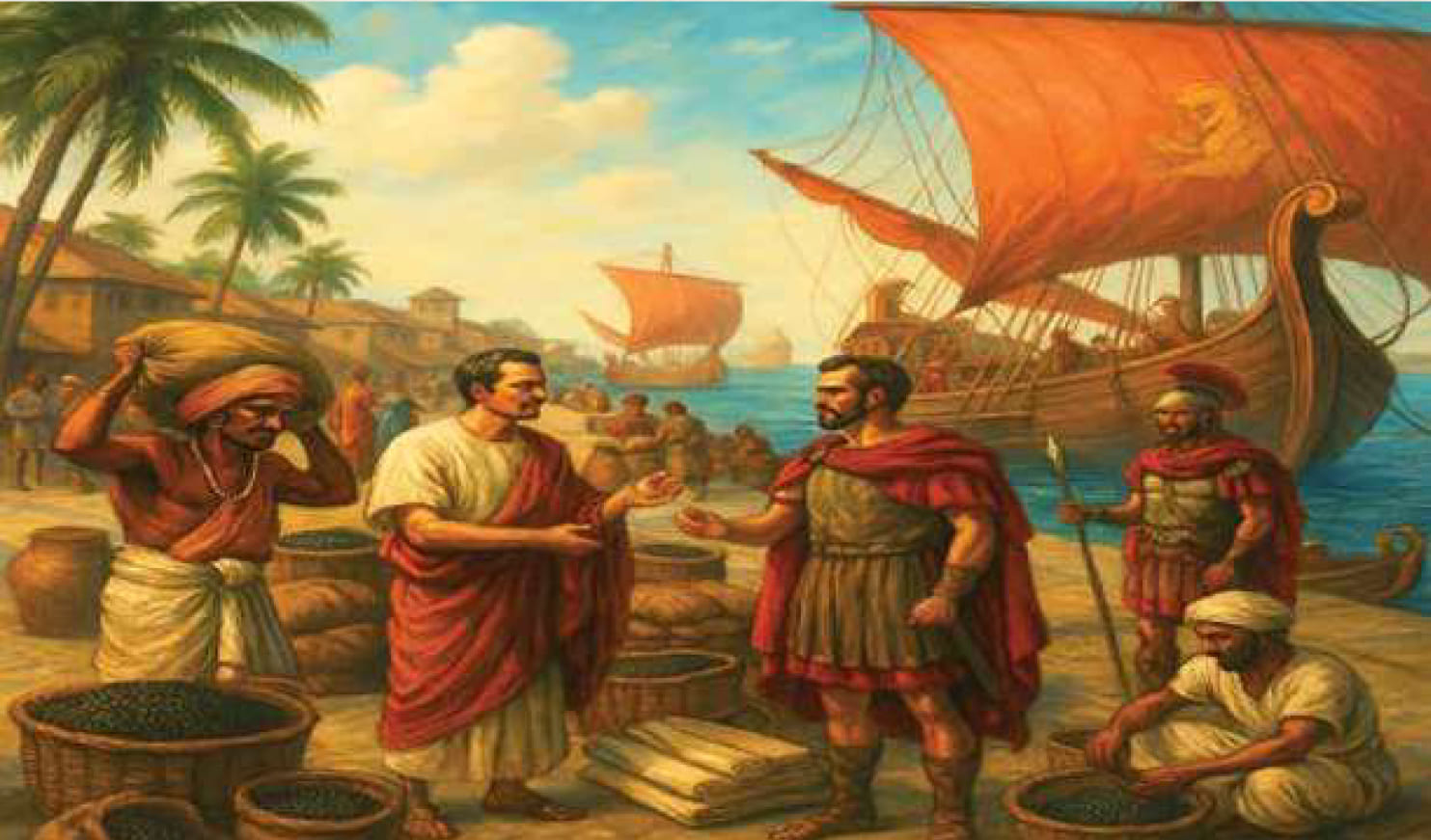
By the early centuries CE, India’s western seaboard became a major centre of world trade. The port of Muziris bustled with Roman ships loading ivory, pearls, muslins, and spices—the treasures of the Indian coastline.

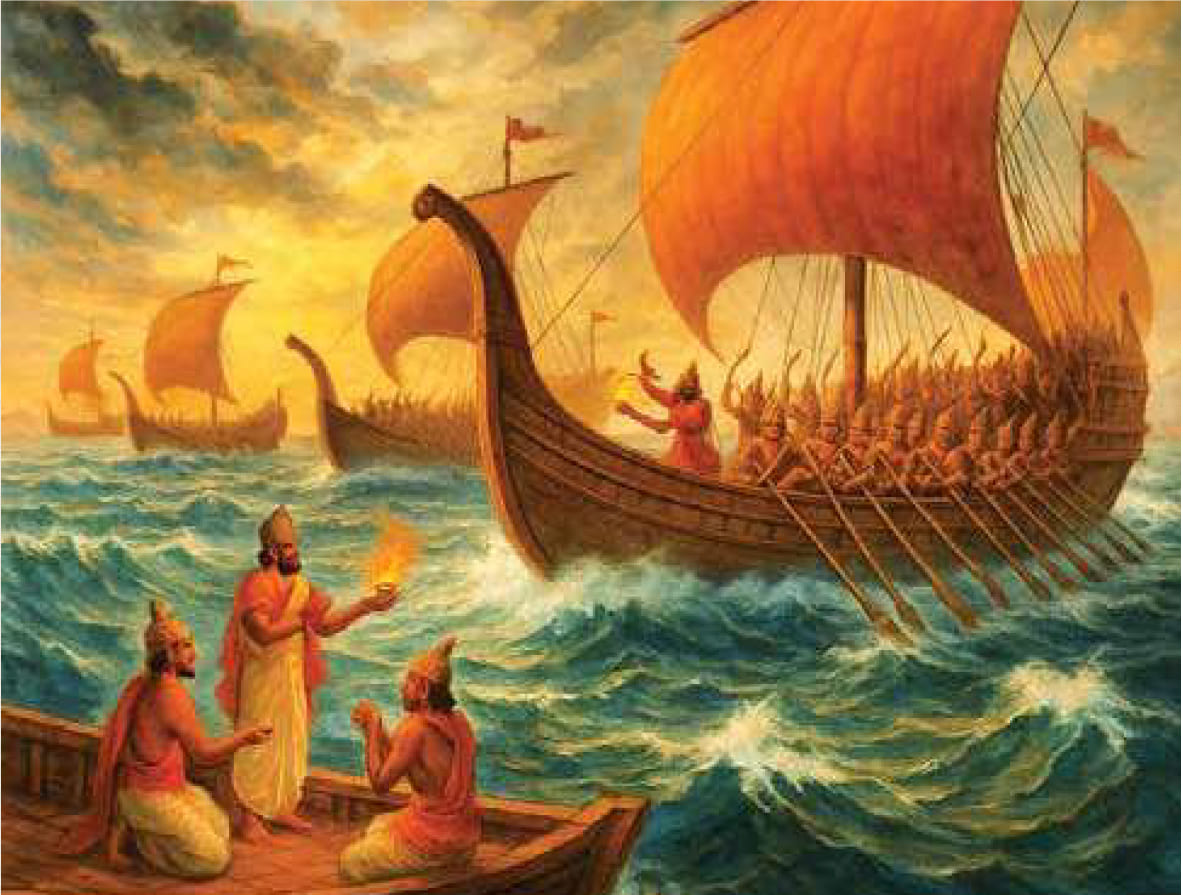
The Chola Empire built one of the strongest naval forces in Asian history. In 1025 CE, Rajendra Chola I launched a massive expedition into Southeast Asia, marking India’s dominance in naval organization, maritime technology, and cultural exchange.

Section Image 3

Classical Tides: The Empires of Waves

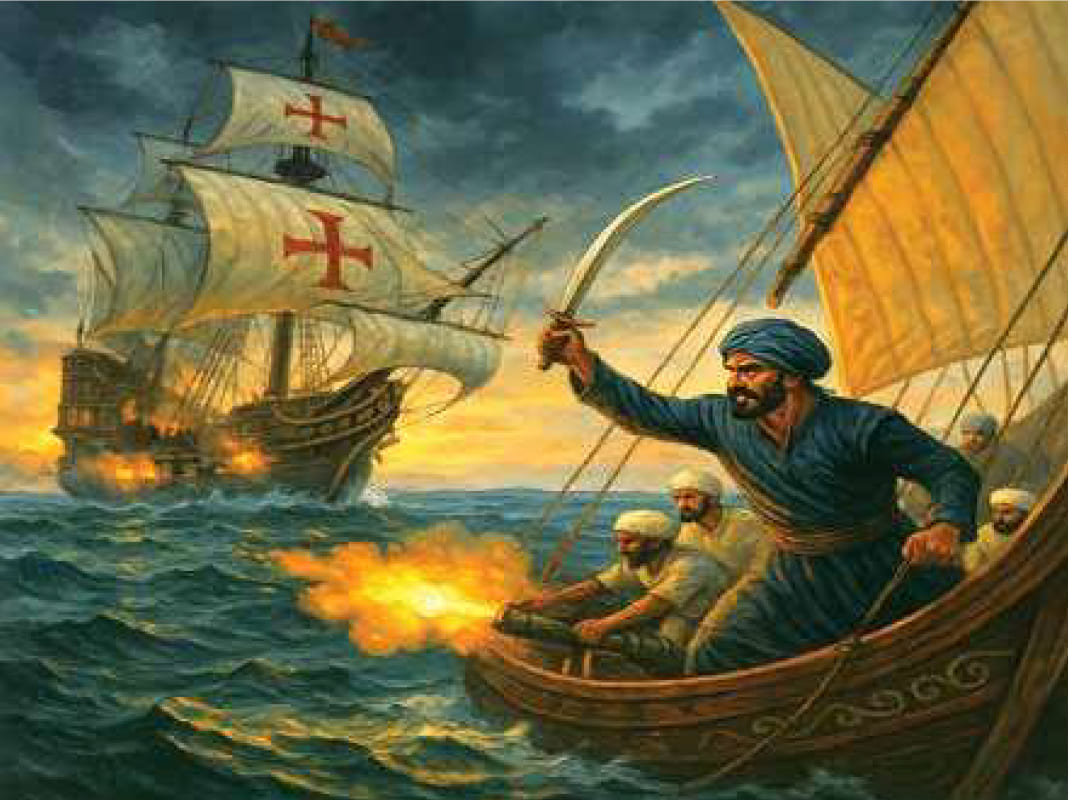
Malabar’s backwaters, they launched swift ambushes, pioneering a form of naval guerrilla warfare that unsettled Portuguese fleets. Their small, agile craft darted in and out of creeks, striking suddenly and vanishing into familiar waters. For coastal communities, the Marakkars became legends of defiance, proof that local seafaring knowledge could challenge empire.

By the 17th century, the struggle widened as the Dutch and English entered Indian waters. Rivalry among European powers made the Indian Ocean a theater of global competition. Yet Indian skill in shipbuilding remained unmatched. The Navigation Act of 1651, passed in England, sought to curtail the use of Indian-built vessels precisely because they were superior in durability and design. Despite restrictions, Indian yards continued to thrive. In Bombay, the Wadia family, master shipbuilders of Parsi origin, constructed between 200 and 300 ships for the British.

Under their supervision, the Bombay Dockyard became one of the greatest in Asia. Among their creations was the HMS Trincomalee, launched in 1817, which still survives today as one of the oldest warships afloat. Another vessel, the HMS Cornwallis, built in Indian yards, hosted the signing of the Treaty of Nanking in 1842, marking China’s defeat in the First Opium War.

And it was on the quarterdeck of yet another Bombay-built vessel, the HMS Minden, during the bombardment of Fort McHenry at Baltimore in 1814, that Francis Scott Key wrote the poem which became the U.S. national anthem, The Star-Spangled Banner. These ships, though built for empire, remain monuments to Indian craftsmanship.

Parallel to the British navy, Indian entrepreneurs began asserting their place in commercial shipping. The Bombay Steam Navigation Company (BSN Co.), established in the 1880s by Hajji Hassan Yusuff and Captain Augustus Shepherd, provided ferry and cargo services across the western coast from Karachi to Mangalore. One of their most famous ships, the SS Vaitarna—electrified and nicknamed Vijli—connected Mandvi to Bombay. Tragically, it sank in...
Section Image 3

Roman Trade & The Chola Navy

Muziris Port – “Pepper for Caesar’s gold.”

By the early centuries CE, India’s western seaboard had become the beating heart of world trade. The port of Muziris in Kerala was legendary. Roman ships crowded its waters, unloading wine, glassware, and gold coins stamped with Caesar’s profile, and departing with pepper — the “black gold” of the ancient world — ivory from the forests, pearls from the Gulf of Mannar, and fine muslins. The Roman historian Pliny the Elder lamented, “India drains us of our gold!” Yet despite his disapproval, the lure of the East remained irresistible, and ships kept coming.

If the west connected India to the Roman world, the east connected her to Southeast Asia. Across the Bay of Bengal, the mighty Chola dynasty built an empire on both land and sea. Between the 9th and 12th centuries, their fleets dominated the waters. In 1025 CE, Rajendra Chola I launched a massive naval expedition against the Srivijaya Empire in Sumatra.

Warships bristled with archers, priests blessed the fleet, and merchants awaited the opening of new markets. The campaign shook Southeast Asia, but the Cholas were not merely conquerors; they were also carriers of culture. Their ships bore sculptors, scholars, and monks. Across Cambodia, Java, and China, Indian art, Sanskrit texts, and Buddhist philosophy found new homes. Temples such as Angkor Wat still echo with these influences. The sea was no longer only a marketplace but a corridor of diplomacy and culture.

Chola Navy – “Empire sails beyond horizons.”

Section Image 3

Classical Tides: The Empires of Waves

Meanwhile, other powers contributed to India’s maritime legacy. The Satavahanas of the Deccan controlled western ports that connected elephants, gems, and spices to Mediterranean markets. As early as the 7th century, Arab traders dominated long-distance commerce across the Arabian Sea with their graceful dhows and lateen sails.

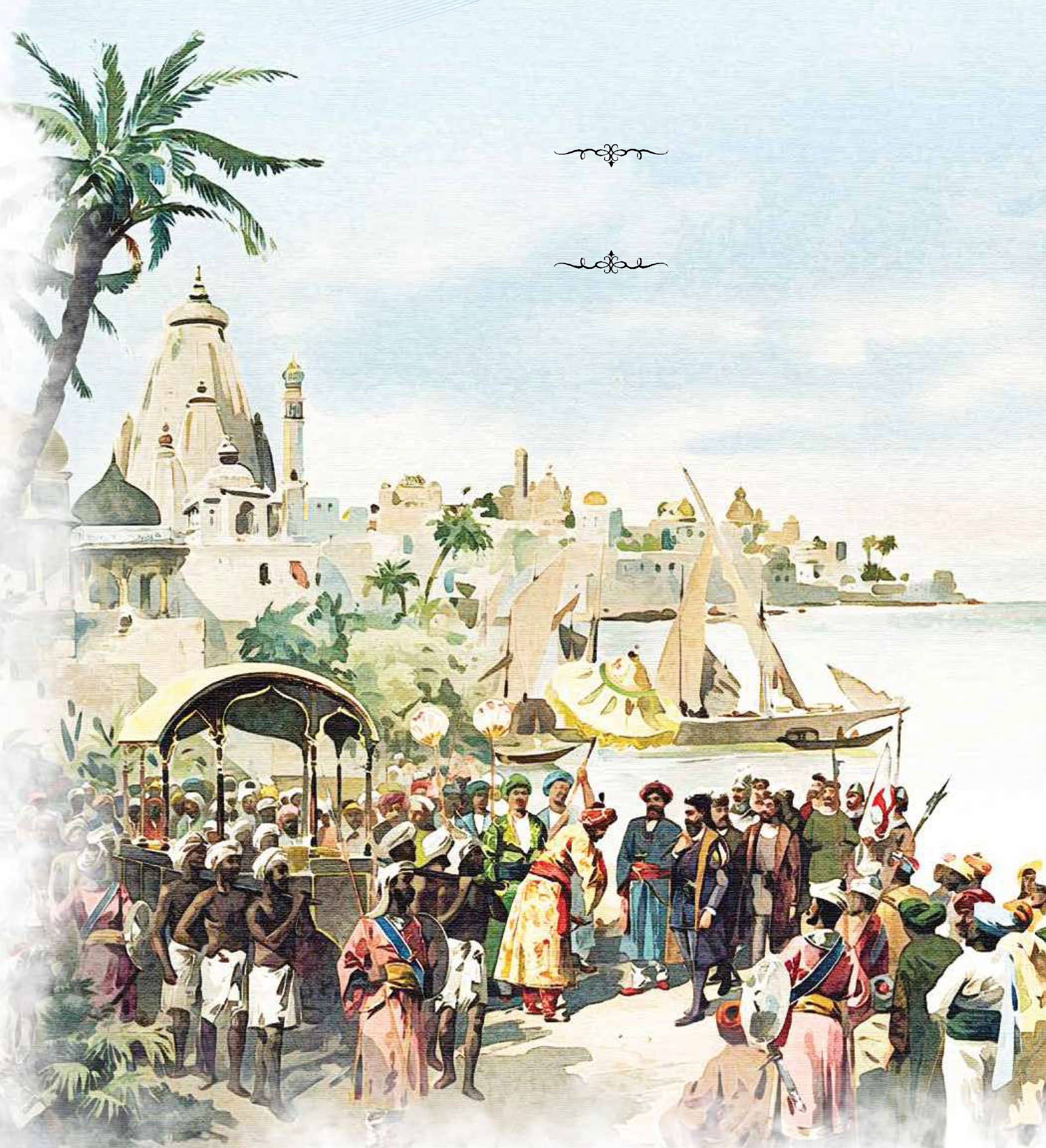
In 1498, Vasco da Gama’s arrival at Calicut brought caravels and galleons like São Gabriel. Soon Dutch, French, and English navies followed. Coastal forts, cannons, and naval battles reshaped India’s coasts as galleons became symbols of European naval power.

Mughal paintings show boats such as the patella and purgou, proving rivers were vital for transport and strategy. From the Son River to Bengal’s deltas, India’s maritime heritage was oceanic and riverine.

On the western coast, Kanhoji Angre’s Maratha Navy transformed simple trading vessels like the Phaatemar into warships. Fortresses such as Vijaydurg became powerful naval bases controlling the Konkan coastline.

As British technology rose, India’s maritime era changed again. Henry Picket built the first paddle steamer, and soon the SS Hindostan connected India to Britain by regular mail steamer.

From Lothal to Cholas, from Arab dhows to Maratha fleets, from European galleons to British steamers — India’s maritime history is a journey of connection, culture, and continuity.

Section Image 3

From Cannons to Charkhas: The Colonial Tide and Freedom at Sea

The arrival of Vasco da Gama at Calicut in 1498 was a turning point in India’s maritime destiny. Guided by a Gujarati navigator who knew the monsoons and currents intimately...

Yet India did not submit easily. Resistance came swiftly from the Kunjali Marakkars...

Kunjali Marakkar Ambush – “Swift boats defy empire.”

Maritime History and National Maritime Day

A cyclone off Gujarat in 1888 is mentioned, leading to the loss of a vessel, the "Titanic of Gujarat," which shattered the belief in the ocean's infinite bounty.

The text praises the DGS's role in preserving maritime memories and leveraging modern technology.

India's ancient shipbuilding tradition is highlighted, noting that ships built in India, like the Bombay Dockyard vessels, were superior in durability to English vessels.

One such ship, the HMS Trincomalee, was launched in 1817 and still survives today as one of the oldest warships afloat. Another vessel, the HMS Cornwallis, was built with Indian wood.

The Indian Navy is mentioned, with the HMS Minden being where Francis Scott Key wrote the US national anthem.

Indian entrepreneurs, looking to re-establish their place in commercial shipping, founded the Bombay Steam Navigation Company (BSN Co.) in 1869. Their vessel, the SS Vaitarna, tragically sank in 1888.

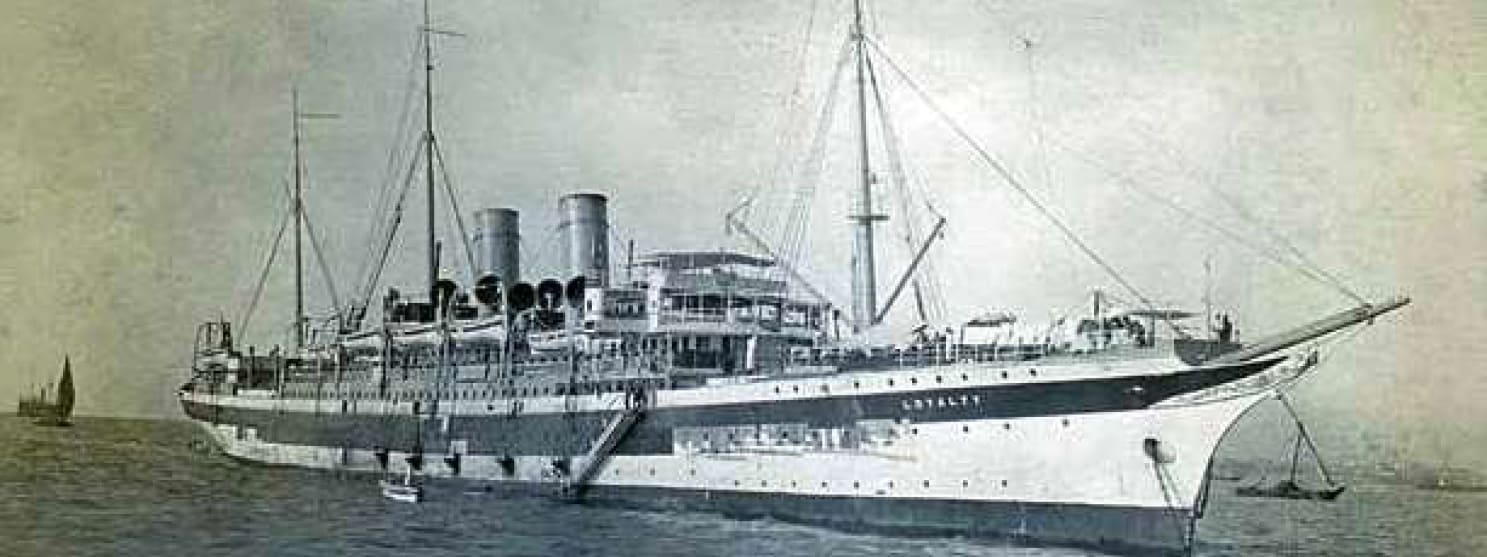
The celebrated moment of Indian maritime nationalism occurred on April 5, 1919, when the Scindia Steam Navigation Company's ship, the S.S. Loyalty, sailed from Bombay to London.

April 5 is commemorated as National Maritime Day in India.
At independence (1947), India inherited only fifty-nine ships.
Maritime History Image

Birth of the Directorate General of Shipping (DGS)

A New Chapter in Indian Maritime History

A new chapter began in September 1949 with the formation of the DGS. Arthur S. Lall was the first Director General (DGS), taking office on September 1, 1949. His office was modest, but his vision was immense, aimed at preserving independence, safety at sea, and international conventions.

The Merchant Shipping Act of 1958 provided the DGS with statutory authority.

In 1961, the Shipping Corporation of India was founded, consolidating Indian shipping into a national asset. By the 1960s, India ranked among the top ten maritime nations in the world, with over eleven million gross tonnage.

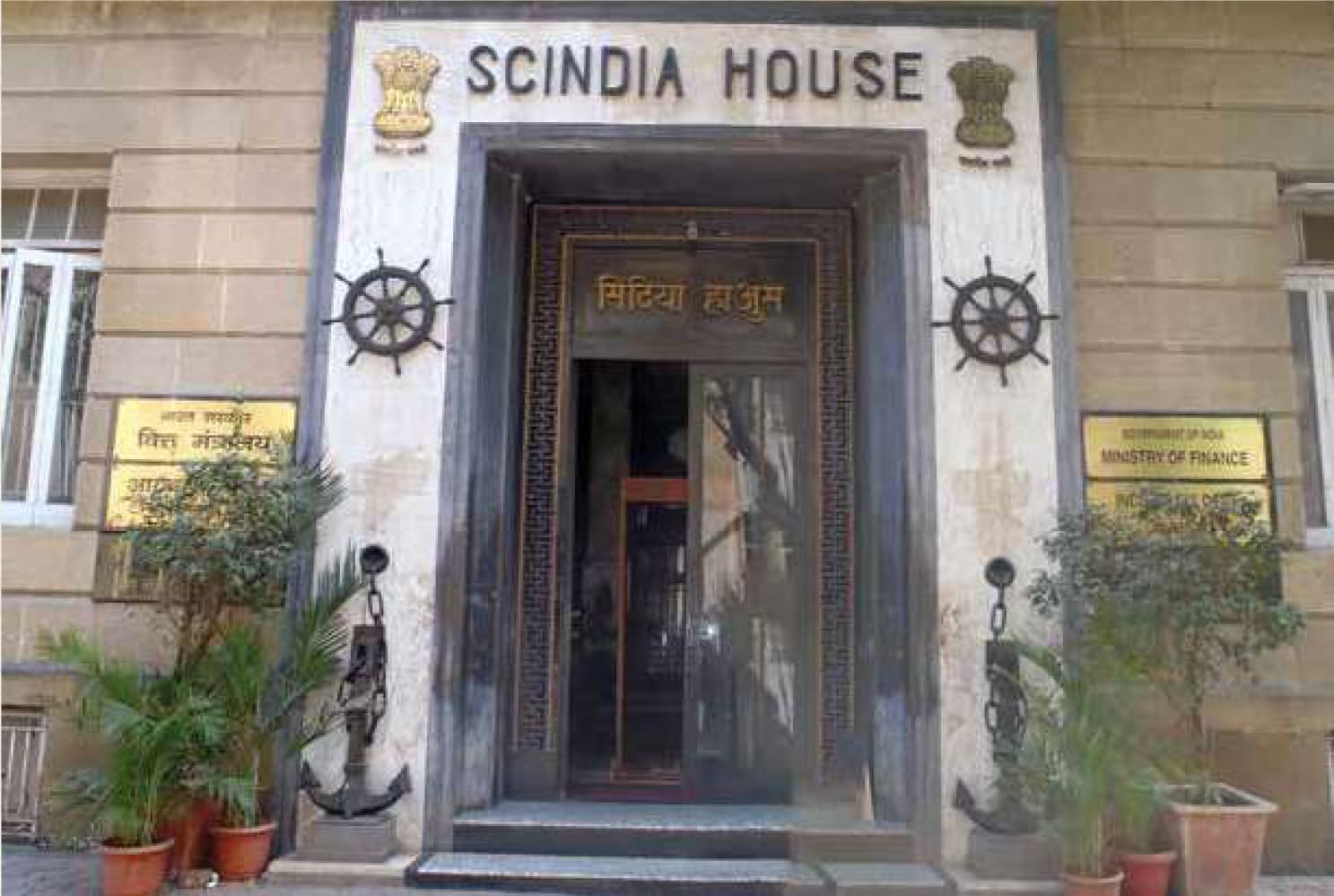
In 1969, the DGS hosted the inauguration of the Jahaz Bhavan in Mumbai, its current headquarters.

Image

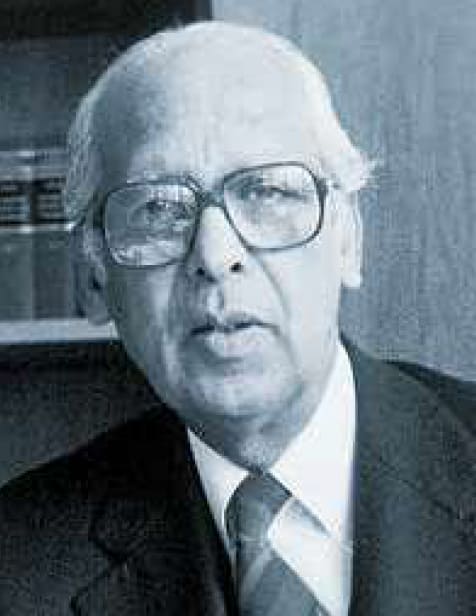
The Legacy of Dr. C. P. Srivastava

The text dedicates a section to the legacy of Dr. Chandrika Prasad Srivastava (DGS: 1964-1973), whom it calls a "Visionary Indian."

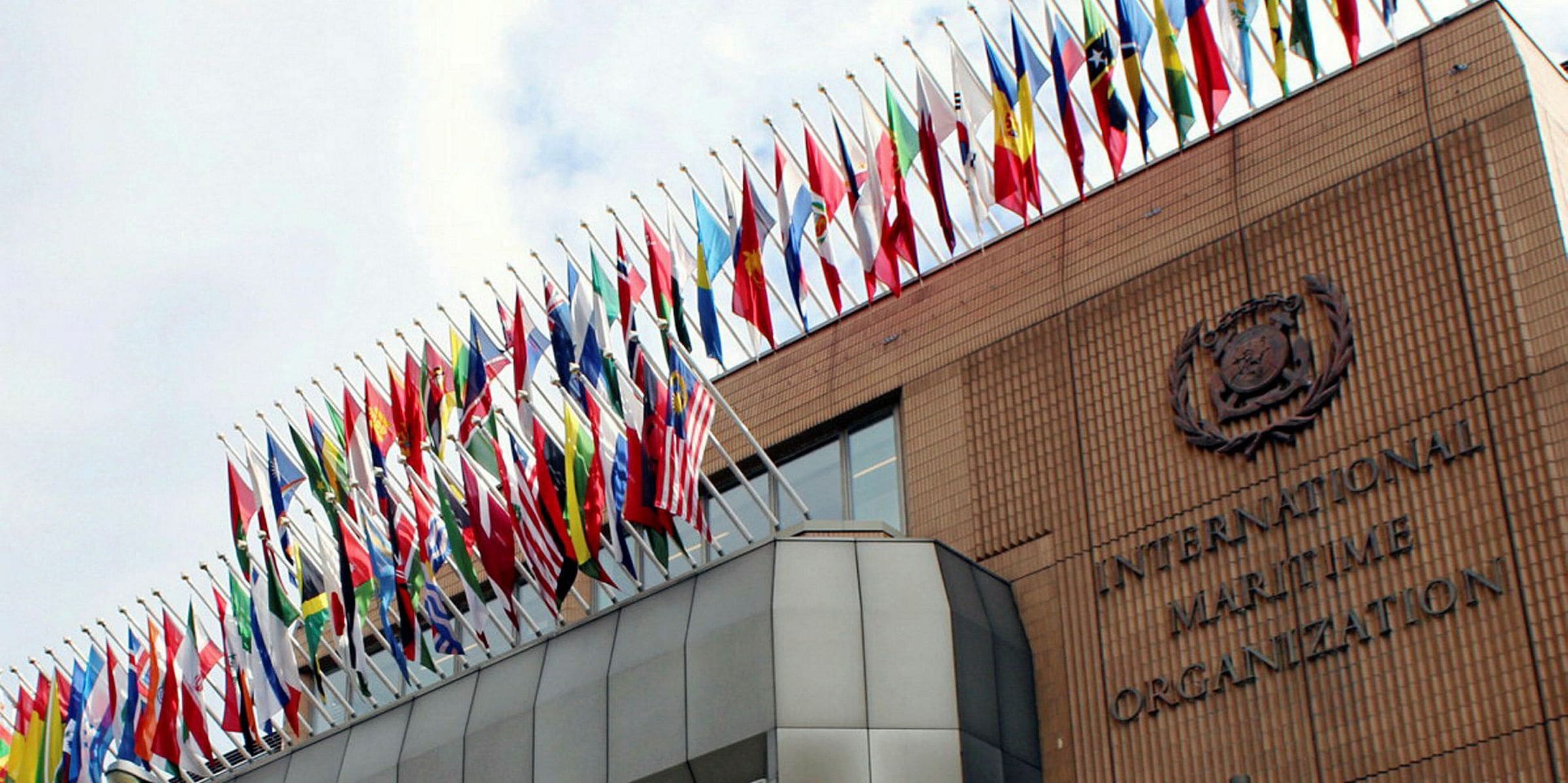
He was the first Indian to serve as Secretary-General of the International Maritime Organization (IMO), holding the role for four consecutive four-year terms from 1974 to 1989, making his 16-year tenure one of the longest and most transformational in the organization's history.

He joined the Indian Administrative Service in 1948 and served as Joint Secretary to Prime Minister Lal Bahadur Shastri (1964-1966).

During his IMO tenure, he championed the cause of developing nations, ensuring access to shipping resources was a right for all.

He was a key driver behind the adoption of major IMO Conventions, including:

  • MARPOL 73/78 (Marine Pollution)
  • STCW 1978 (Standards of Training, Certification and Watch-keeping for Seafarers)
  • SUA 1988 (Suppression of Unlawful Acts Against the Safety of Maritime Navigation)

His contributions earned him recognition: honored by Queen Elizabeth II in 1990 with the International Maritime Prize, and received the Padma Vibhushan in 2005.

Founder of the World Maritime University in Malmö, Sweden, in 1983, which has trained thousands of professionals worldwide.
Image

India's Global Maritime Presence

From Ancient Sailors to Modern Leadership

India today stands among the great maritime powers of the world. Its fleets span global waters, and its voice is heard in every international council.

India's maritime strategy is described as a "living journey" from the chants of Vedic sailors to the creation of India's training ships.

Adv. Yukta Mallaparikar, Legal Advisor (Nautical Wing), Directorate General of Shipping, is quoted.

Trivia: India has been involved in the IMO since 1959 and has served on the IMO Council.

India Maritime Presence Image